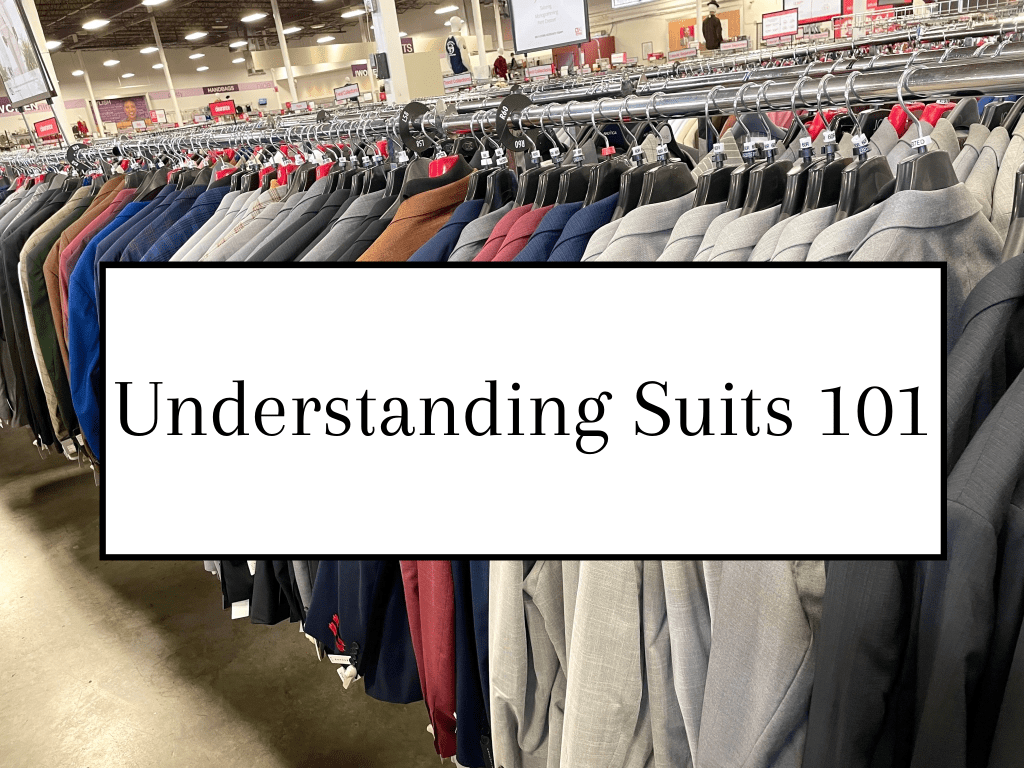

In the modern day of retail and fashion, it seems as though the basics of finding a good suit has been all but lost. All too often when working as a Suit Sales Consultant did I run into men, young and old, that were unaware of suit sizings, what colors are staples when adding one to a wardrobe, or even where to begin shopping for one. So, I’ve decided list out a few tips to help start those suit searching journeys, and hopefully you’ll leave with a better understanding of what kind of tailored look your going for.
Understanding Sizes
Generally when it comes to suit sizes there are two parts: the numerical size and the letter sizing. The number is in relation to one’s chest/torso size and increases as the size of the person grows. This does include arms as well, so someone with bigger arms will have to take this into consideration when choosing a size. Thus someone who’s a 38 will have a smaller overall upper body than someone who’s a 48. However, let’s say the person who’s a 48 is shorter than average with shorter arms and the person who is a 38 is taller than average with longer arms. How would we take this into consideration? Well, that’s where the letters comes in: S for “Short”, R for “Regular”, or L for “Long”. These coincide with the length of the jacket sleeves as well as the length of the jacket itself. So for the first person who’s short and fits a 48, he would need a 48S, whereas the taller person able to fit a 38 would need a 38L. It’s fairly simple when you think of it this way, and thankfully these sizes can be utilized for sport coats and dinner jackets as well.

Understanding Fits
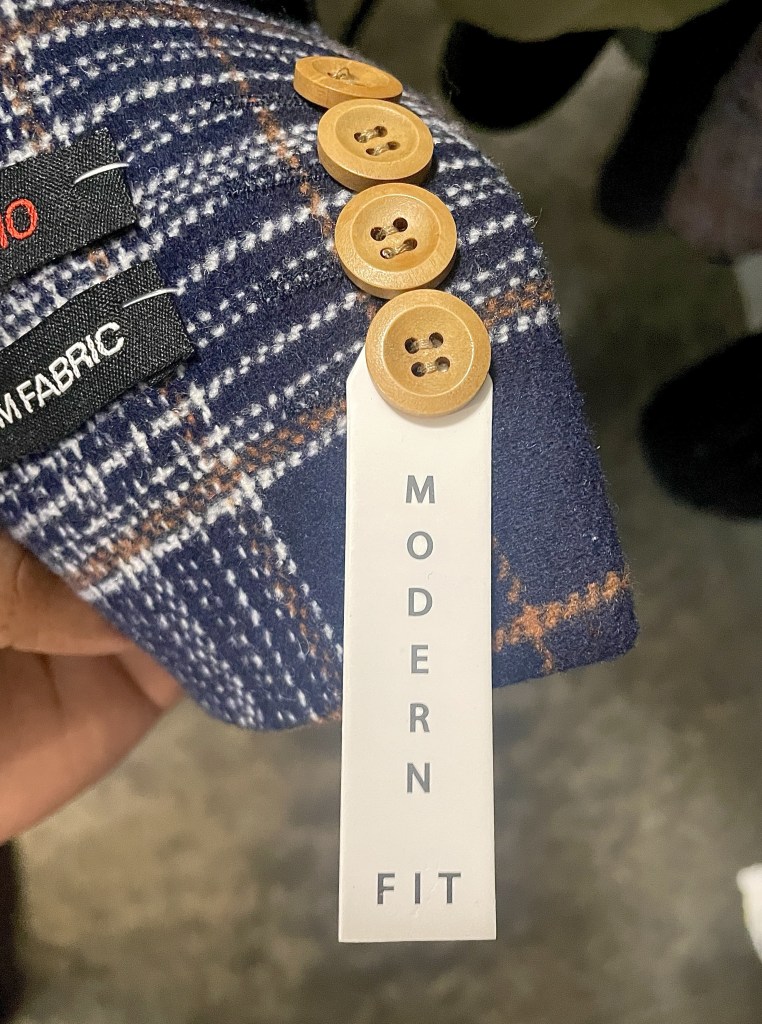
Much like all other articles of clothing, suits have different types of fits as well. These “fits” can help determine what size of a suit one may need, especially when taking into consideration the brand of a suit. For example, if you know that regularly you fit a 40 Regular or 40R suit, you may think that all suits within this size will fit you perfectly. However Brand A may cut their suits a bit bigger than other brands, leaving you with more room than what’s wanted in the torso area. In this case you can easily size down to see if a suit in a smaller size but of the same brand will fit better. Simple right? Now expanding on this, there are many verified “fits” that brands will use to give consumers a desired silhouette. Firstly you have the “skinny” fit, which is self-explanatory; the suit will feel much more tighter around the chest, arms, and legs, leaving little room for extra movement outside of everyday functionality such as walking or reaching. A less silhouette that offers a bit more room would be considered a “slim” fit suit, which nips in at the waist slightly and tapers the pants. This fit is usually considered an “European cut” also. From there we’re have the “Modern” or “Tailored” fit, which essentially has more room than a slim fit suit with similar cuts to the jacket on the sides as well as the tapered pants. Lastly, we have the “Classic” fit suits, which is made with the most fabric and contains the most room out of all the others. These suits usually fit bigger men well and are favorites of older men due to all room available.
Colors For The Closet
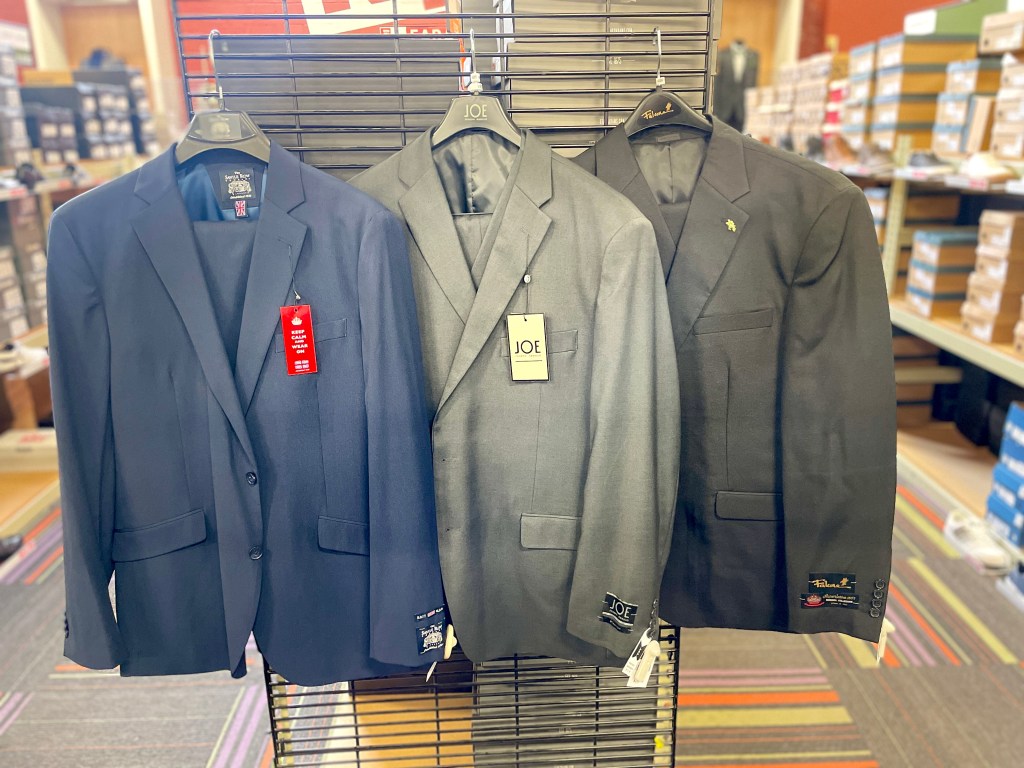
So now that we have sizes out of the way, what colors should one aim for when shopping for a suit? Well, all men should have what I call the “holy trinity” of colors within their closet when it comes to tailored clothing: black, navy & grey. Though these can have a pattern on them, I personally would suggest having a solid suit within these 3 color ways as these are staples for any man’s wardrobe, easy to style, and will be useful for many functions and events (work, dinners, interviews, funerals, you name it!). These colors are also perfect year round, which means you’ll definitely get your moneys’ worth and plenty of time to use the suits. Once the basics are covered then I would suggest expanding into different colors and patterns as well. For colors you can always add in a royal blue/denim blue as it’s a safe step above navy while not being too flashy. Another color that is actually perfect for year round usage is maroon/burgundy. Though the color is a bit harder to style than the aforementioned basics, a nice 2-piece or even 3-piece suit in an oxblood color is perfect for making a statement whilst still keeping things professional. Other colors I would recommend is olive green (especially for the Fall and Winter seasons), tan (Summer + Spring seasons), and brown. When it comes to patterns you can never go wrong with a nice glen plaid or windowpane detail. And for those that don’t mind taking an extra step on the wild side, a pin stripe pattern might be the pop of uniqueness they’re looking for.

But What About Lapels
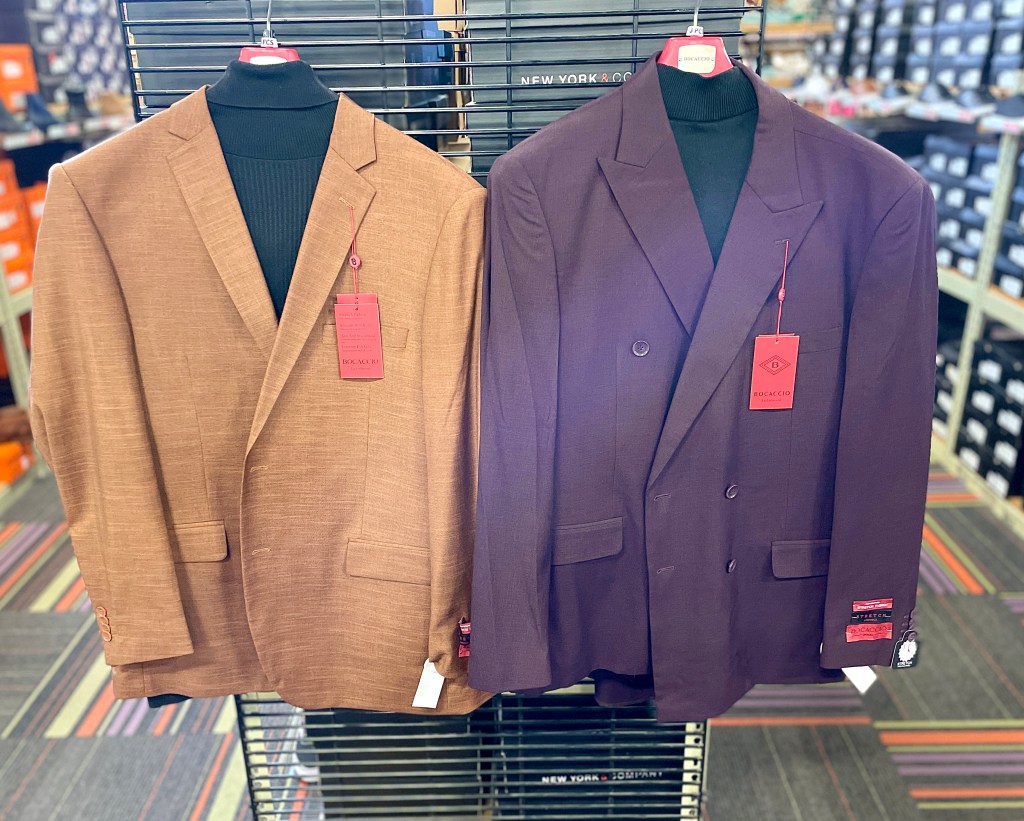
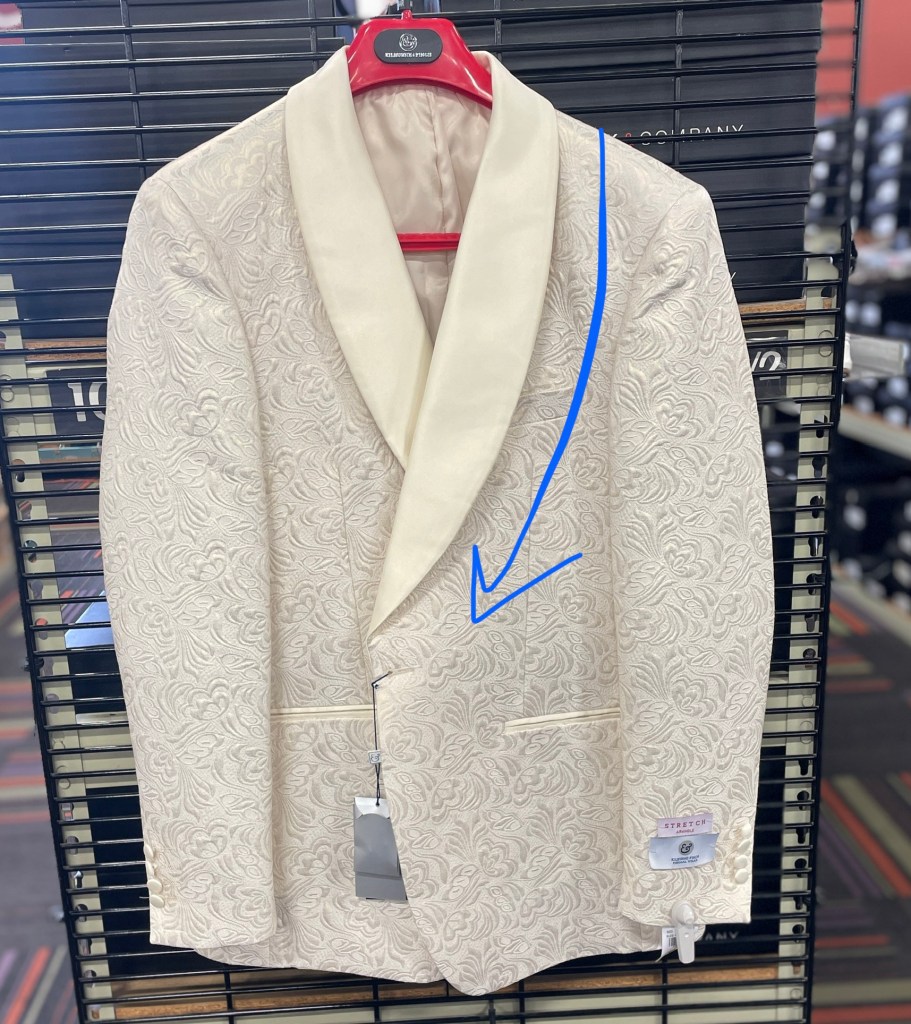
When it comes to buying a suit (or jacket) you also must pay attention to the “lapel”, which is right below the collar. There are 3 kinds of lapels, and each lapel helps to indicate what the suit/blazer is best suited for (get it? suited?) The first and probably most common lapel type is the Notch Lapel, which looks like a triangular cutout where the collar and lapel meet. Suits with this lapel are usually worn in work or business environments, as well as formal and social occasions. Then you have the Peak Lapel, which (as it sounds) forms a peak formation at the point where the collar meets the lapel. This is usually seen more on sport coats and blazers, but can be seen on double-breasted suits suits as well. Much like the notch lapel, suits that have this style of lapel can be utilized in many different occasions, but you’ll mostly wear these garments in social and formal events. Lastly we have the Shawl Collar/Lapel, which is a continuous collar without any differentiation between the collar and lapel, hence the reason the name is interchangeable. This is seen on mostly tuxes, in a satin or satin-esque fabric. It is very rare to find a suit with a shawl lapel, though more fashion forward styles as of late have started to incorporate them more, especially when it comes to luxury fashion houses like Gucci & Fendi and fast-fashion sites such as ASOS & Boohoo.


Other Tips To Keep In Mind
- After purchasing a new suit, remove all tags from the suit. Yes, this includes the tag on the sleeve as well. That is not meant to be worn.
- Alongside the first tip, make sure to open the vents on the back of the suit after purchase, whether it is a single or double vent. This helps with creating room in the back of the jacket for movement as well (especially for those of us that are little more gifted in the rear).
- The traditional sleeve length for a suit to look professional is hitting right at the wrist, which allows a small bit of the shirt underneath to show. Longer than that would be considered appropriate for more formal events/occasions.
- When buttoning a suit, only button the top button. Very seldomly if ever does one button the bottom button of a suit. And if it’s a three button suit, button only the middle one. (Allegedly this trend started back in the 1900’s with King Edward VII)
- Lastly, if you’re unsure of where to find a good suit you can start at one of the following stores. Most have locations across all of the U.S. and are relatively affordable.
- Express
- K&G Fashion Superstore
- Suitsupply
- Men’s Warehouse
- Nordstrom
- Jos A. Banks
- Macys



 Name Is Kanem
Leave a comment